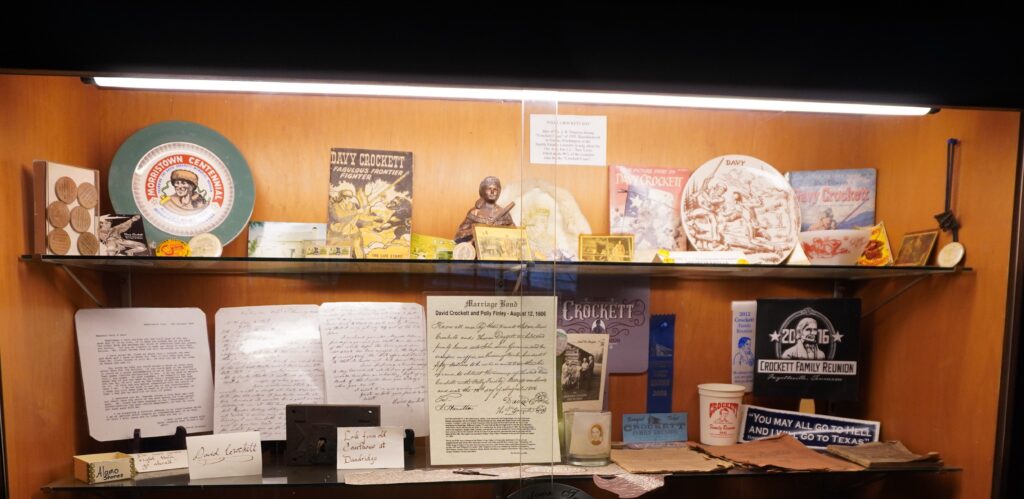
While driving back to my home in Connecticut from visiting family in Mississippi, I stopped at interesting historic sites along the way. As I was in passing through Morristown, Tennessee, we noticed an attraction sign for “Crockett Tavern Museum.” We all know that the Folk Hero and Frontiersman Davy Crockett along with 192 other brave men died defending the Alamo in March 1836, but not much is taught about his life. This museum is the perfect place to learn about his life; and see artifacts firsthand that tells his story.
We all know Davy Crockett as that famous folk hero who died at the Alamo with 192 other brave men in 1836, but I realized I didn’t really know much about his life beyond that. This museum is the perfect place to learn about his life; and see artifacts firsthand that tells his story. It was awesome getting a better sense of who he really was, beyond all the legends.
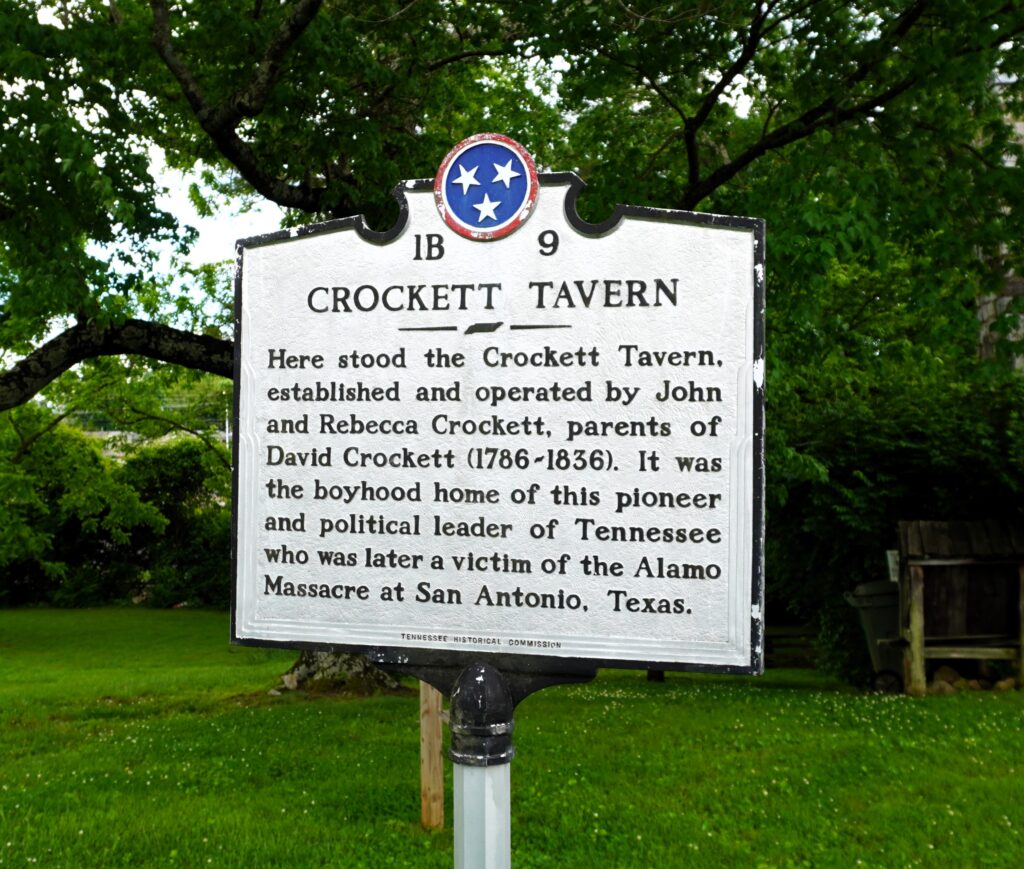
John and Rebecca Crockett operated the tavern out of their home. Davy’s duties at the tavern were to hunt game for the dinner table which most certainly improved his rifle skills. He would also tend to the livestock of the cattle drovers and sheep herders who were staying at the tavern. Travelers would stop to eat and spend the night at the Crockett home. Eventually it was used as a smallpox hospital and then it burnt down.
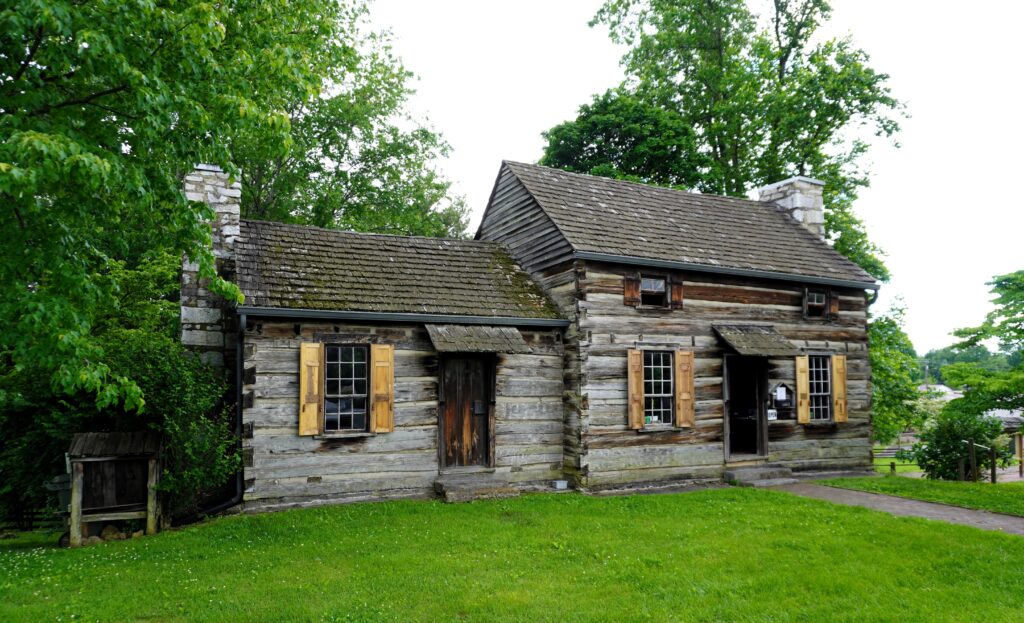
The log cabin standing now is a reproduction of a typical homestead. It was built in 1958 from remnants of the Old Panther Springs School (1850) which include the logs, rafters, paneling, and stairs.
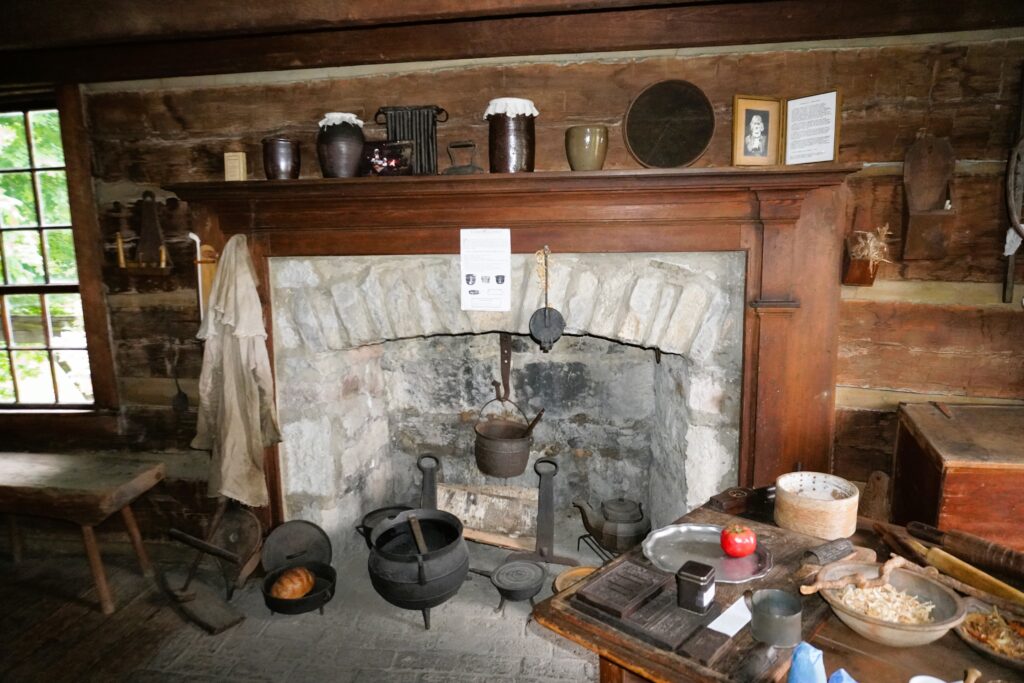
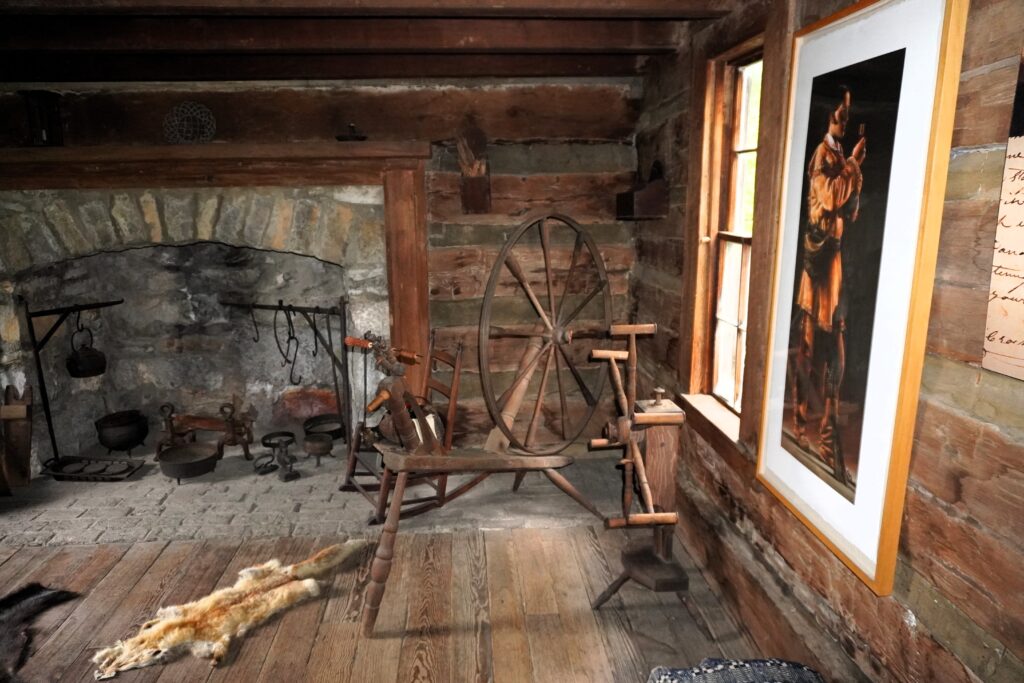
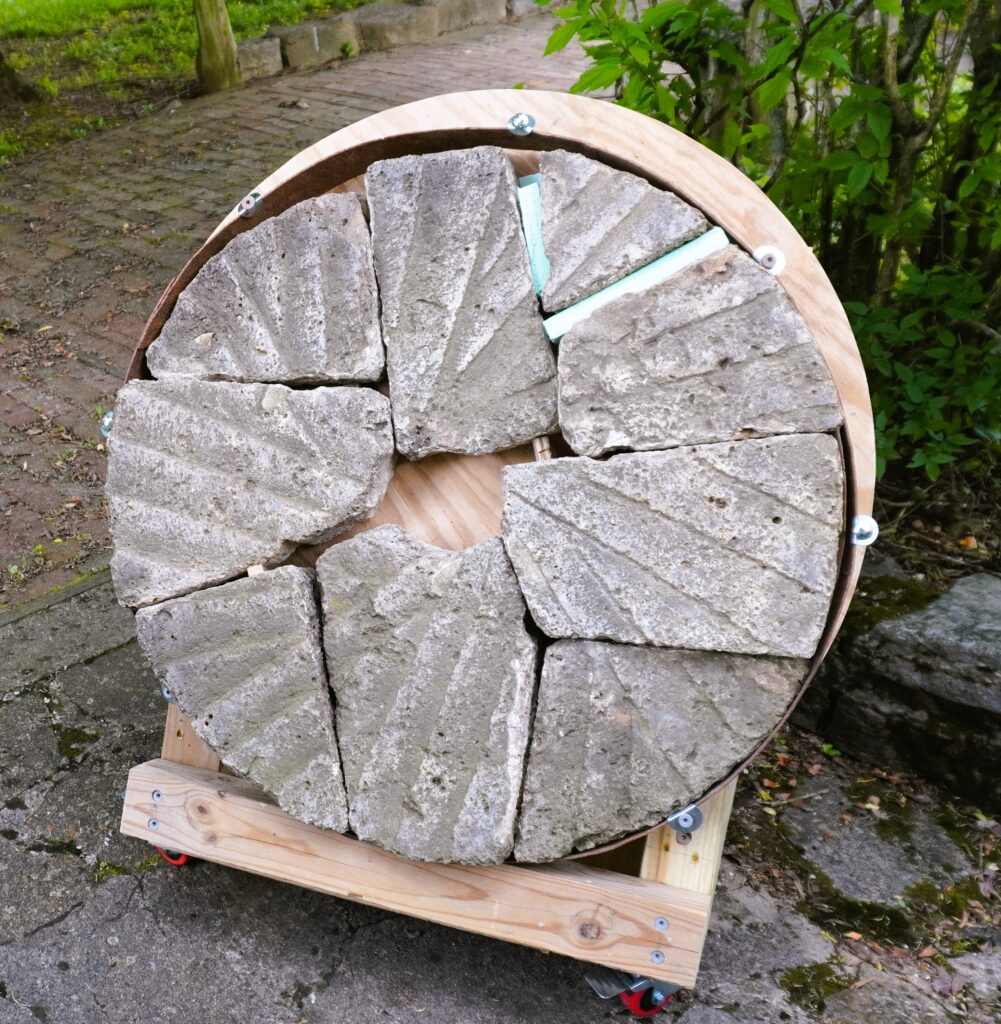
Our tour guide Issac White was very knowledgeable on the life of David (Davy) Crockett and knew some of his speeches verbatim. Davy Crockett had a challenging childhood having to pay off his father John’s debts by being an indentured servant twice.[1] His father John later went bankrupt after building a grist mill and eventually he opened a tavern on a stagecoach route that is where the museum is located today.
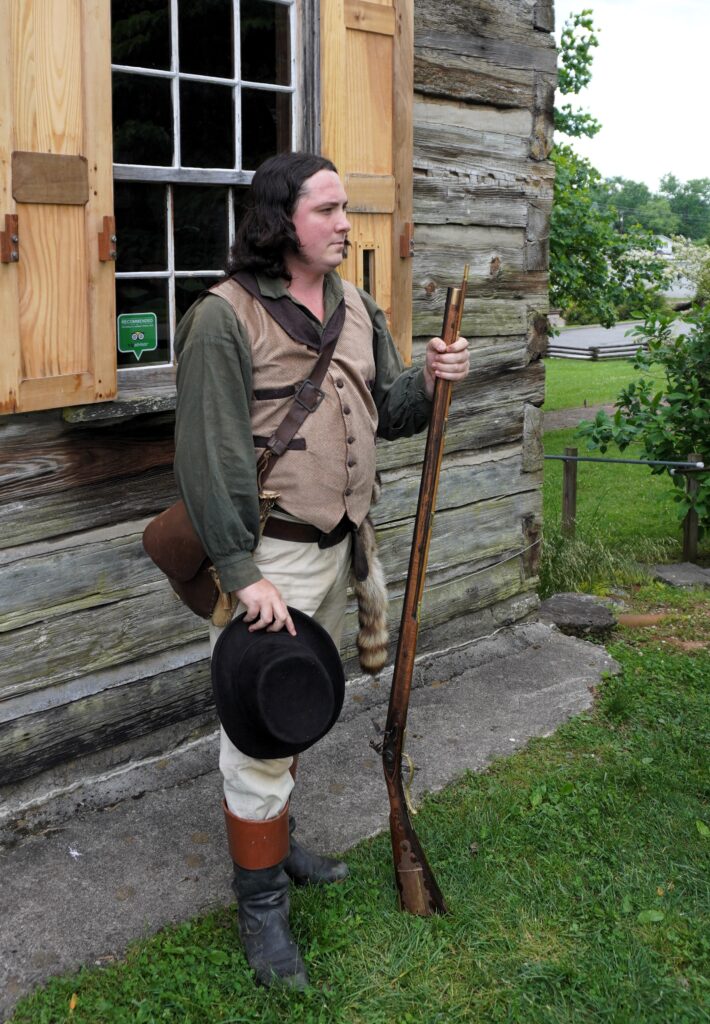
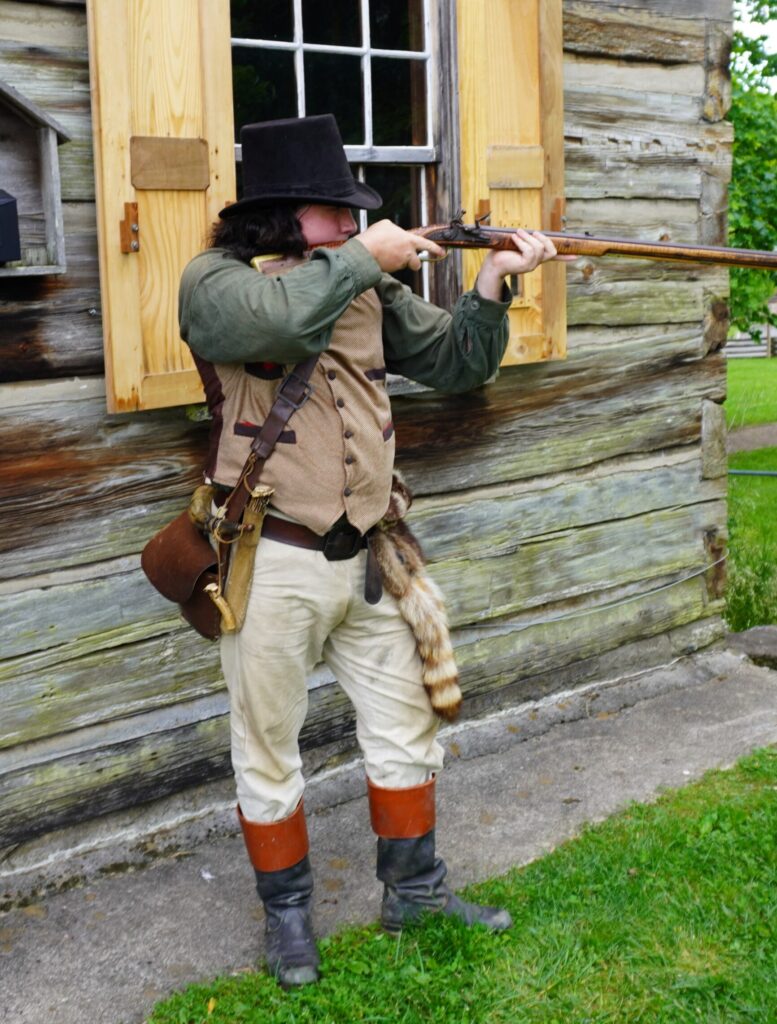
Davy Crockett volunteered for 3 months in the Tennessee militia in 1813 after the massacre on Fort Mims near Mobile, Alabama, seeking retaliation on the Red Sticks Indian tribe for this act. He soon recognized that he was better suited hunting wild game for food to feed the soldiers rather than killing Indians.
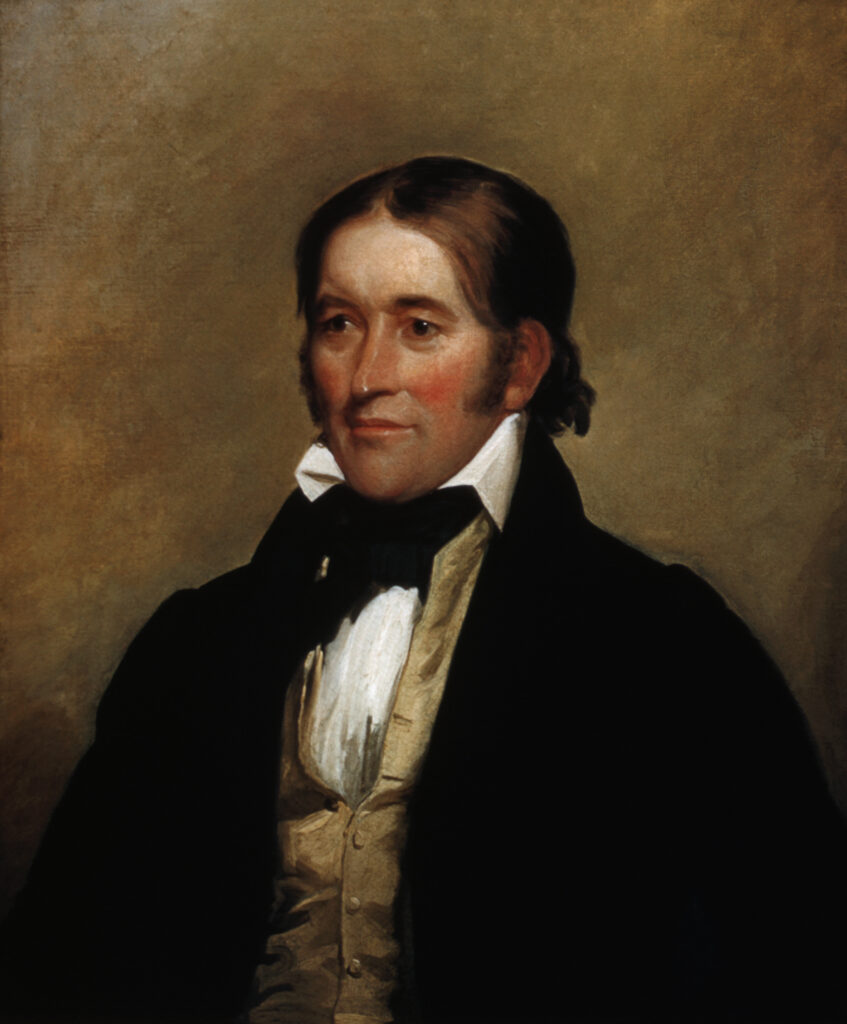
He served as County Justice of the Peace; Lieutenant Colonel of the Fifty-seventh Regiment of Tennessee Militia; Tennessee General Assembly (1821-1824); and in the House of Representatives (1824-1834). Crockett opposed Andrew Jackson’s 1830 Indian Removal Act and voted against it. [2]
Texas was seeking independence from Mexico, so many thought a revolution was coming soon. Crockett had plans to move there and relocate his family as well. He volunteered with the Provisional Government of Texas for 6 months for payment of 4,600 acres of land.
He arrived at Alamo Mission in San Antonio on February 8 and two week later the Alamo was under siege by the Mexican Army. Little did Davy Crockett know that he would die defending the Alamo.
Davy Crockett
Tombstone Inscription ~ San Fernando Cathedral in San Antonio, TX
Pioneer
Patriot
Soldier
Trapper
Explorer
State Legislator
Congressman
Martyred at the Alamo
1786-1836
For more information, please visit: Crockett Tavern Museum
Crockett Tavern Museum
2002 Morningside Drive
Morristown, Tennessee 37814
423.587.9900
info@crocketttavernmuseum.org
References:
[1] Note: John Crockett, Davy’s father, fought in the Battle of Kings Mountain during the Revolutionary War and while serving in the militia in 1777, his parents were murdered by Indians while his brother James was held prisoner for 17 years.
[2] One idea regarding the Indian Removal Act that is always overlooked:
Distinguished Scholar and Native American historian Francis Paul Prucha has argued that there were only four courses of action for this crisis between the white man and Native Americans. First, genocide (extermination) but no one would propose this preposterous solution in the US government. Second, integration with the white culture but the Native Americans did not want this as they wanted their own customs naturally; and the white men didn’t favor this either. Third, protect the natives where they lived by enforcing the precious agreed treaties which would have been impossible because of squatters and white settlers constantly invading Indian Country as they had been for last 15 years. Fourth, removal. [Reference: Prucha, F. P. “Andrew Jackson’s Indian Policy: A Reassessment.” The Journal of American History 56, no. 3 (1969): 527–39. https://doi.org/10.2307/1904204.]
As distinguished Professor Robert V. Remini and Andrew Jackson Scholar stated, “That was the course Jackson knew would work [removal] and therefore adopted. No other alternative existed if the Indians were to survive … He saved the Five Civilized Nations from probable extinction.” [Reference: Remini, Robert V. (Robert Vincent). Andrew Jackson & His Indian Wars. New York: Penguin Books, 2002.}
History is complicated…